


Leading Chinese Supplier of Natural Anthocyanins Ingredients
We offer a wide range of premium anthocyanin ingredients, including black currant anthocyanins, blueberry anthocyanins, purple sweet potato anthocyanins, black rice anthocyanins, elderberry extracts, grape skin extracts, and customized anthocyanin formulations. Competitive pricing, consistent quality, and reliable global supply.
Contact Us
Products
To Become A Trusted Global Leader In Natural Anthocyanins Ingredients Manufacturing.
About Us
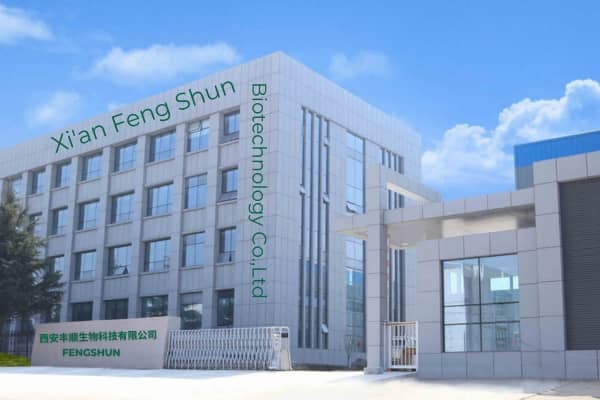
China FS Anthocyanins specializes in the cultivation, extraction, processing, and global supply of natural anthocyanin ingredients and plant-based color solutions. Our products mainly include anthocyanin extracts, fruit and berry extracts, natural food colorants, functional ingredients, and customized formulations, which are widely used in dietary supplements, functional foods, beverages, pharmaceuticals, cosmetics, and nutraceutical applications.
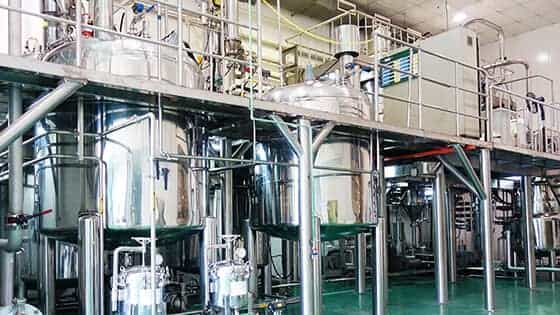
1Production Equipment
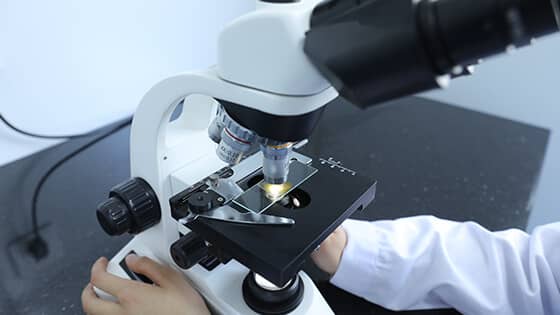
2R&D
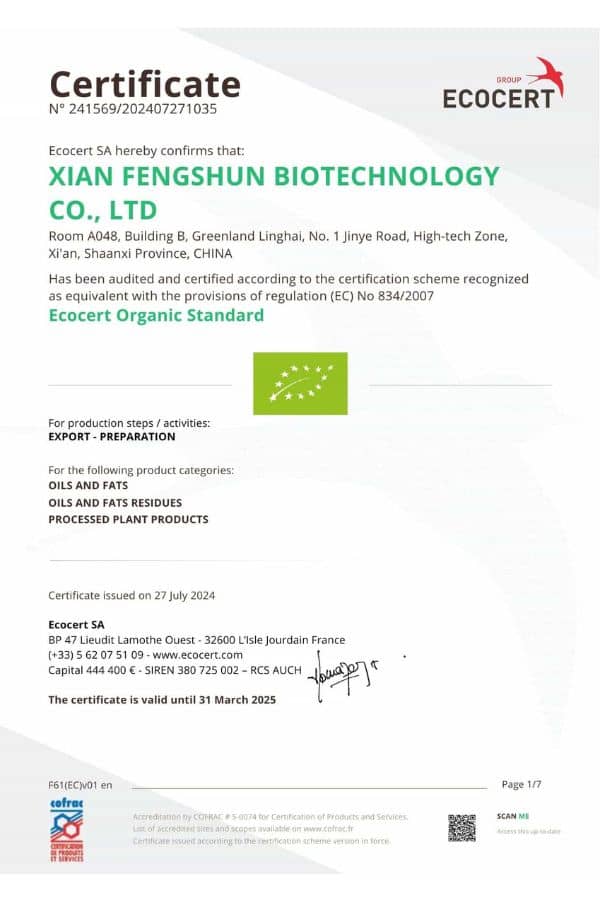
Honors and Qualifications
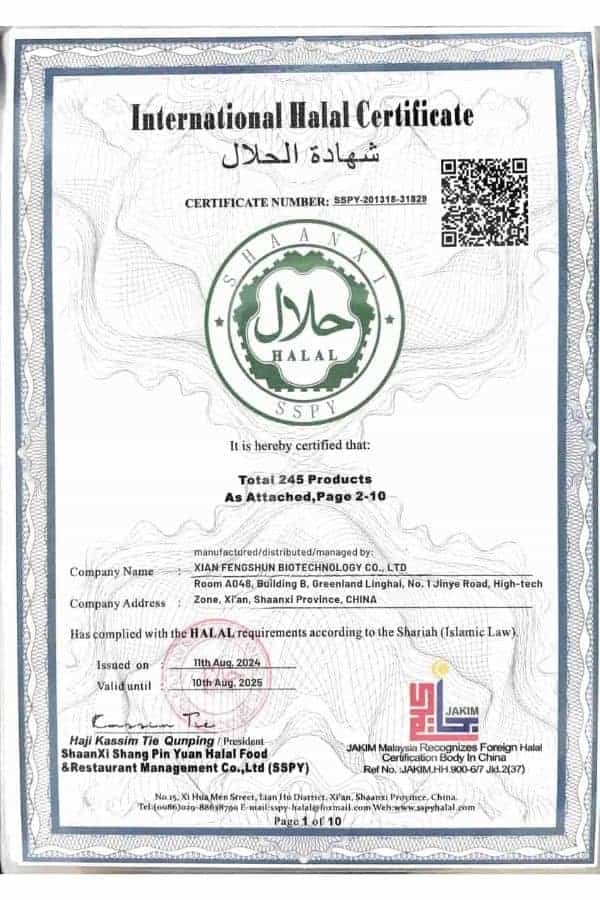
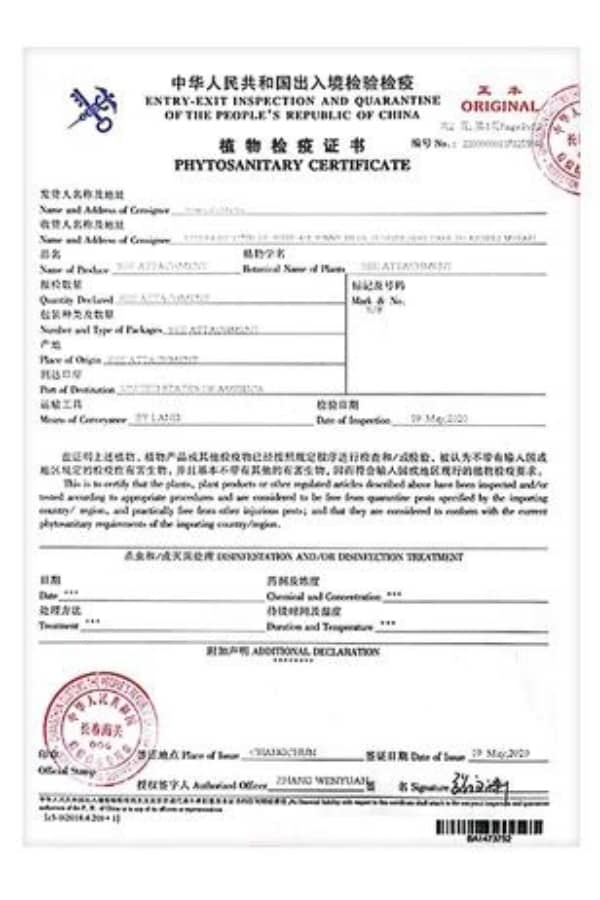
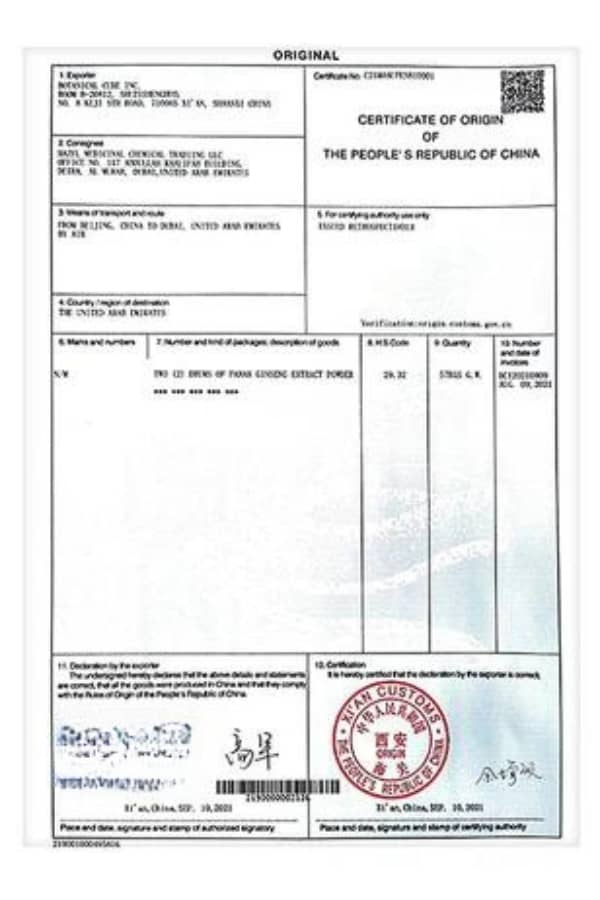
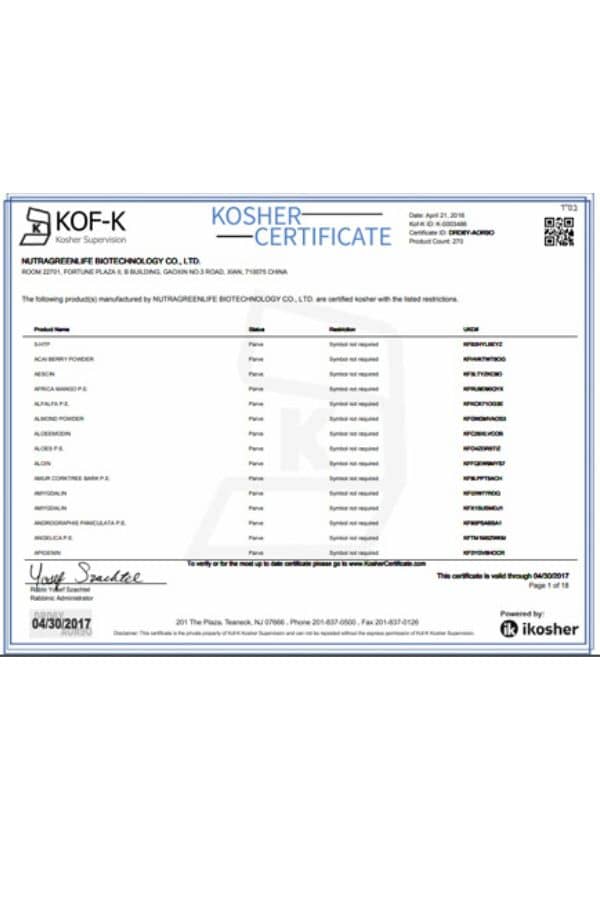
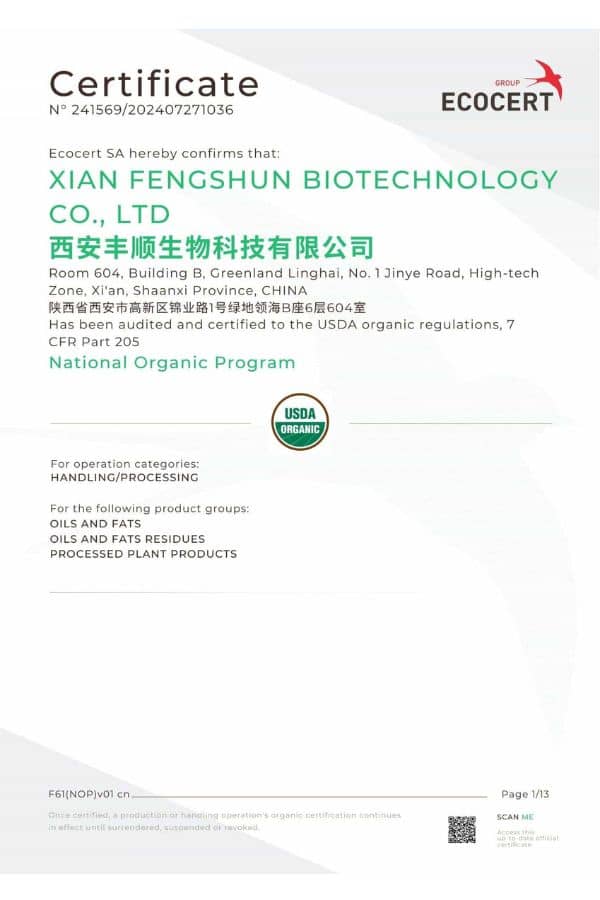
Factory Workshop Live Shot
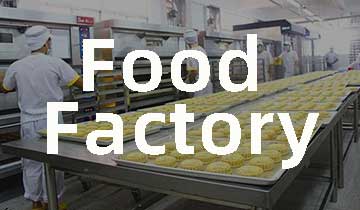
Take a virtual tour of our production facilities and raw material bases, where you can explore our modern extraction workshops, advanced manufacturing equipment, quality control laboratories, and carefully managed planting partnerships that ensure stable, traceable, and high-quality anthocyanin raw materials.
Our Advantages

High-Quality Raw Materials
Strategic partnerships with high-quality berry, grape, purple sweet potato, black rice, and other anthocyanin-rich crop growers ensure stable supply and full traceability of raw materials.

Strict Quality Control
Our laboratory conducts comprehensive testing throughout the entire production process, including raw material inspection, active compound analysis, microbiological testing, and finished product verification.

OEM & Customized Solutions
We provide customized anthocyanin extracts, natural color solutions, formulation development, private labeling, and OEM/ODM manufacturing services for global customers.

Professional R&D Team
With years of expertise in natural plant extraction and anthocyanin ingredient manufacturing, we have developed reliable solutions for food, supplement, pharmaceutical, and cosmetic industries.

Global Supply Capability
Our anthocyanin products are supplied to more than 30 countries and regions worldwide, supported by complete specifications, stable inventory, and efficient logistics services.

Dedicated Customer Service
Customer satisfaction drives everything we do. We provide fast responses, professional technical support, transparent communication, and long-term partnership solutions.
Cooperative Partner
Because of trust, choose us and grow with you!


Blog
Industry News, Company News, Professional Knowledge
One-Stop Sourcing for Anthocyanins
China FS Anthocyanins has expanded its business worldwide, earning recognition from customers for product quality, consistency, and professional service. We provide a one-stop sourcing platform for natural anthocyanin ingredients, fruit and berry extracts, and plant-based color solutions, with a wide range of specifications and customized options available. In addition, we offer OEM and contract manufacturing services, enabling customers to source high-quality anthocyanin ingredients efficiently, safely, and reliably.
Contact Us
0
Focus on 1 area for a long time

0
10 years + industry expertise

0%
Pursuing 100% customer satisfaction

0
Trusted and chosen by thousands of customers worldwide
The Common Choice of 1000+ Excellent Enterprises
If there are still any questions you can leave us a message online, we will get back to you as soon as possible.Please specify your requirement by referring to the following aspects:
- What kind of product do you need ?
- What is the purpose of your product?
- How many quantities of the product do you want?